WHERE TO STAY ON EASTER ISLAND (RAPA NUI)
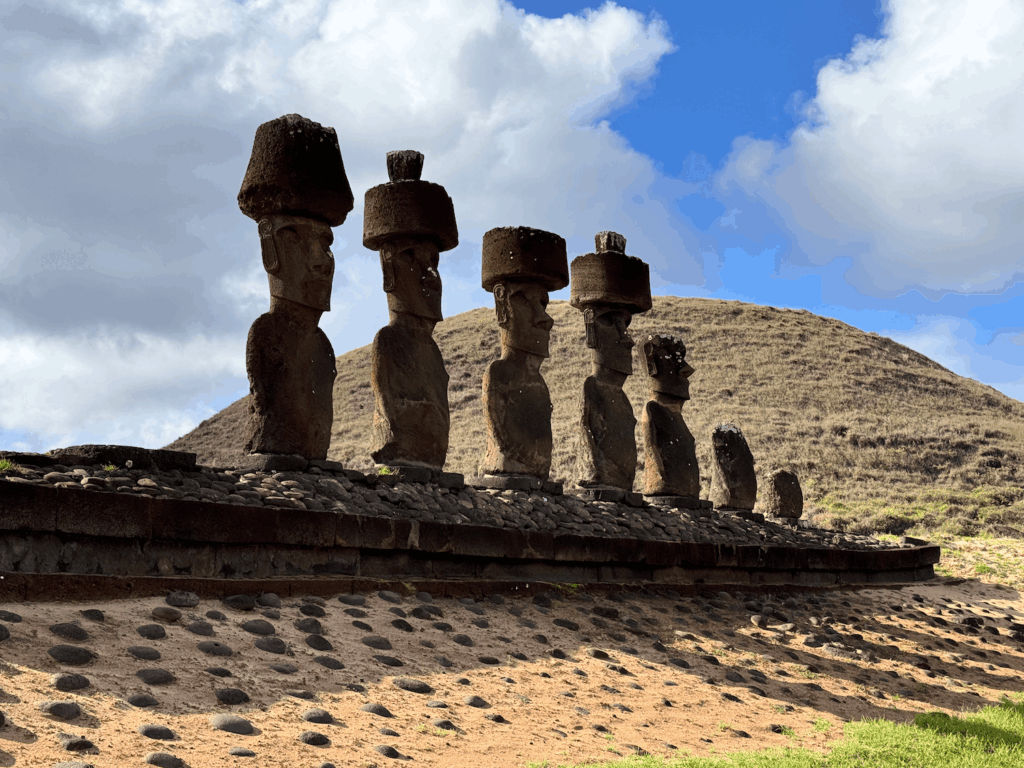
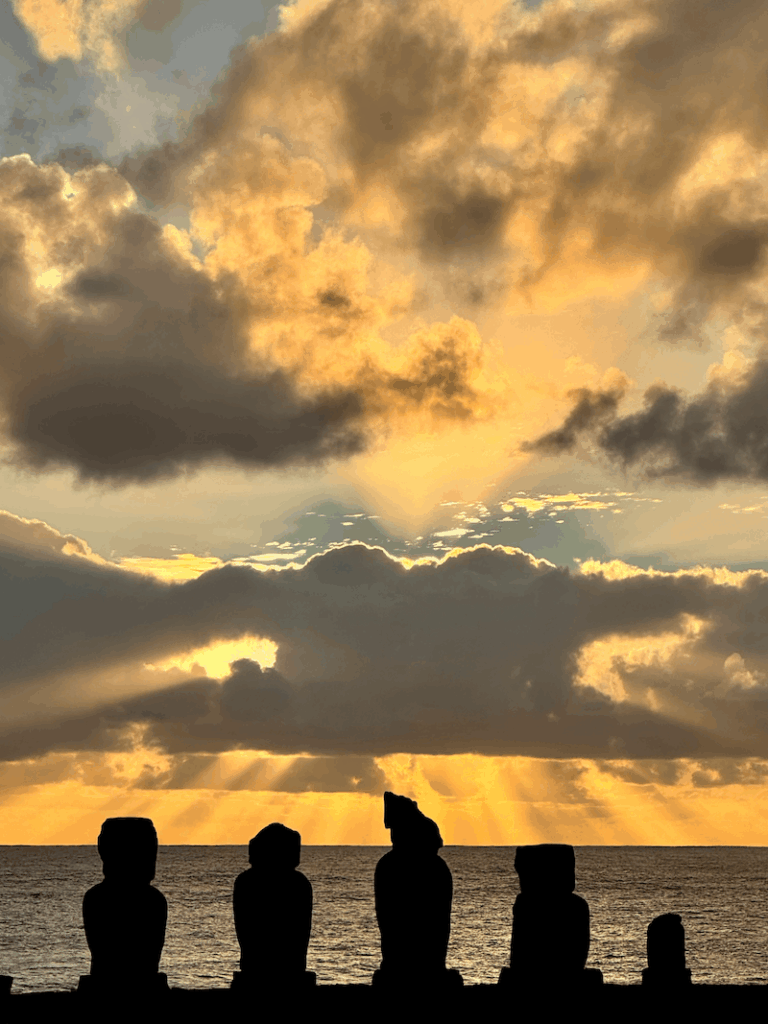
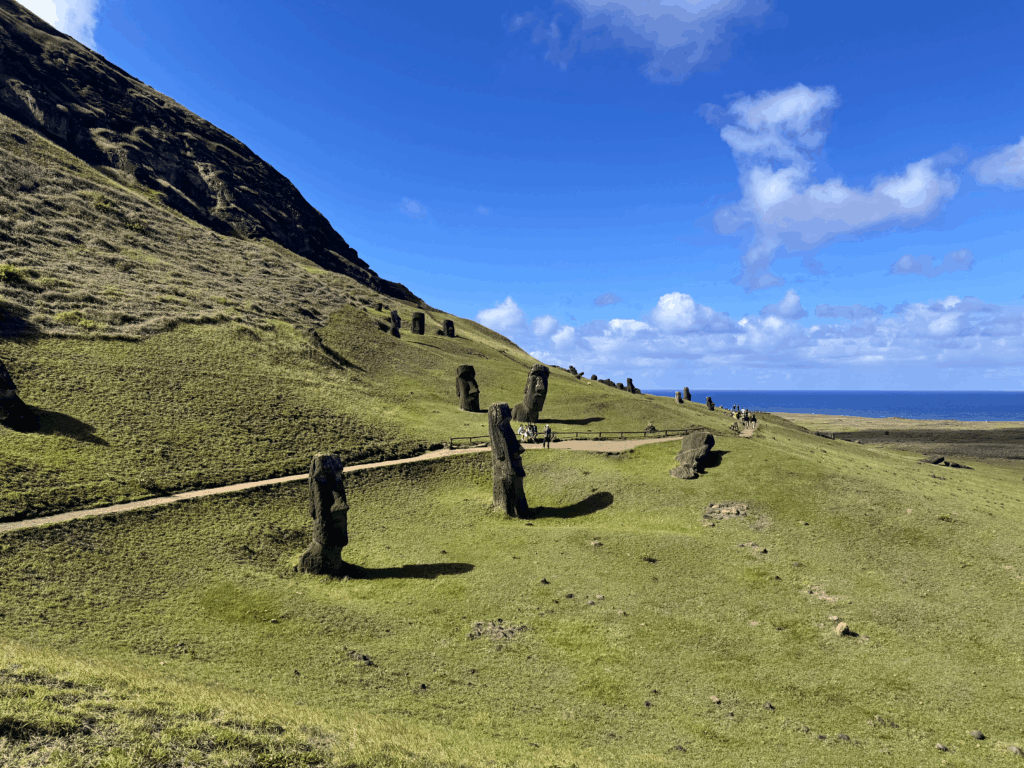
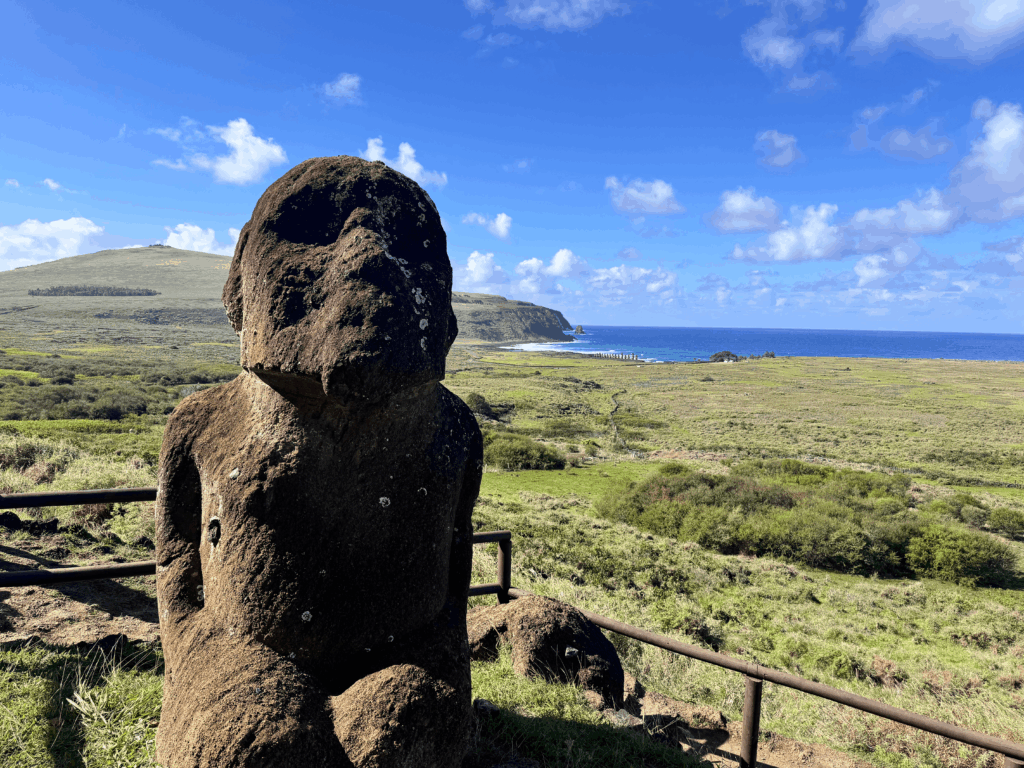
Easter Island has been on my list since I was in my twenties and backpacking around South America. I’d bump into other travellers who’d made it out there and come back with stories that sounded almost made up, giant stone heads on a speck of land in the middle of the Pacific, further from anywhere than almost anywhere else on Earth.
I never did make it out there on that trip but at the back of my head I thought maybe one day I’ll be back in South America with the time and budget to make it to Rapa Nui.
Fast forward near twenty years and I finally sat down and made a grand plan to visit Easter Island. Whilst it’s not the cheapest place to visit in the world, what I noticed was that many blogs that were quoting high prices paid their flights were missing a trick. By booking via the Chilean LATAM website you can almost cut your flight price in half. Just by using a VPN, same flight… completely different price.
Easter Island or Rapa Nui, as it’s known locally… is one of the most remote inhabited places on Earth, and one of the most misunderstood when it comes to trip planning. A lot of people presume that it’s unaffordable and tricky to organise, but it’s actually way simpler than you might think.
There’s really only one settlement on the island: Hanga Roa. Most of the hotels, guesthouses and restaurants on Rapa Nui are here, which makes choosing where to stay less about picking a neighbourhood and more about picking the style of stay that suits you… cliffside luxury, a walkable mid-range base, or a budget guesthouse right in town. We’ve broken this guide down that way.

Top 3 hotels to stay on Easter Island:
Nayara Hangaroa
Cliffside 5-star resort five minutes from town, with the best ocean views on the island
Hare Nua Hotel Boutique
Highly-rated boutique stay a short walk from Pea Beach, the best base for surfers
Altiplanico Rapa Nui
Traditional Rapa Nui-style build near Anakena Beach, quieter and closer to nature
Top 3 things to do on Easter Island:
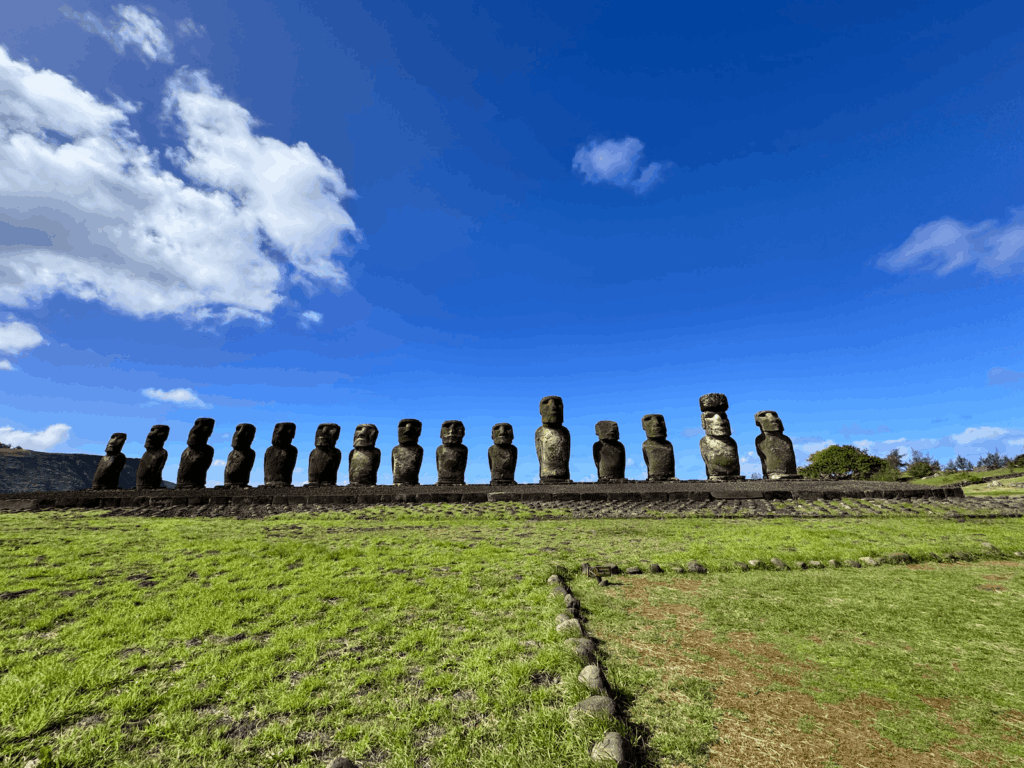
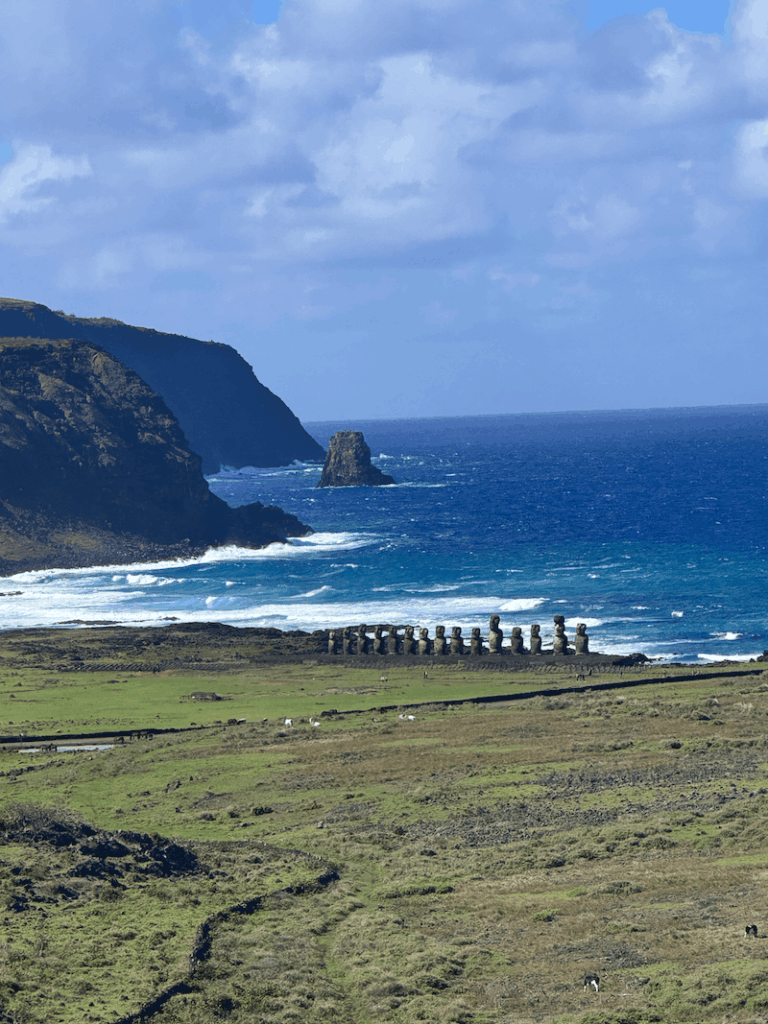
Sunrise at Ahu Tongariki
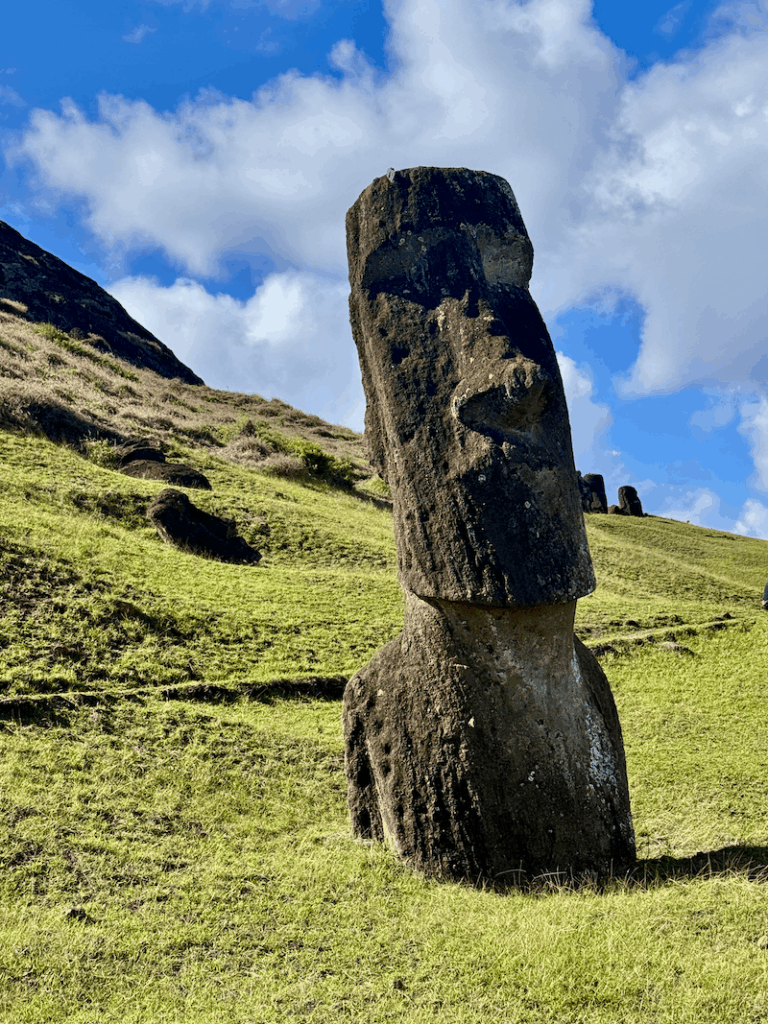
The island’s largest platform of moai, and worth the early alarm
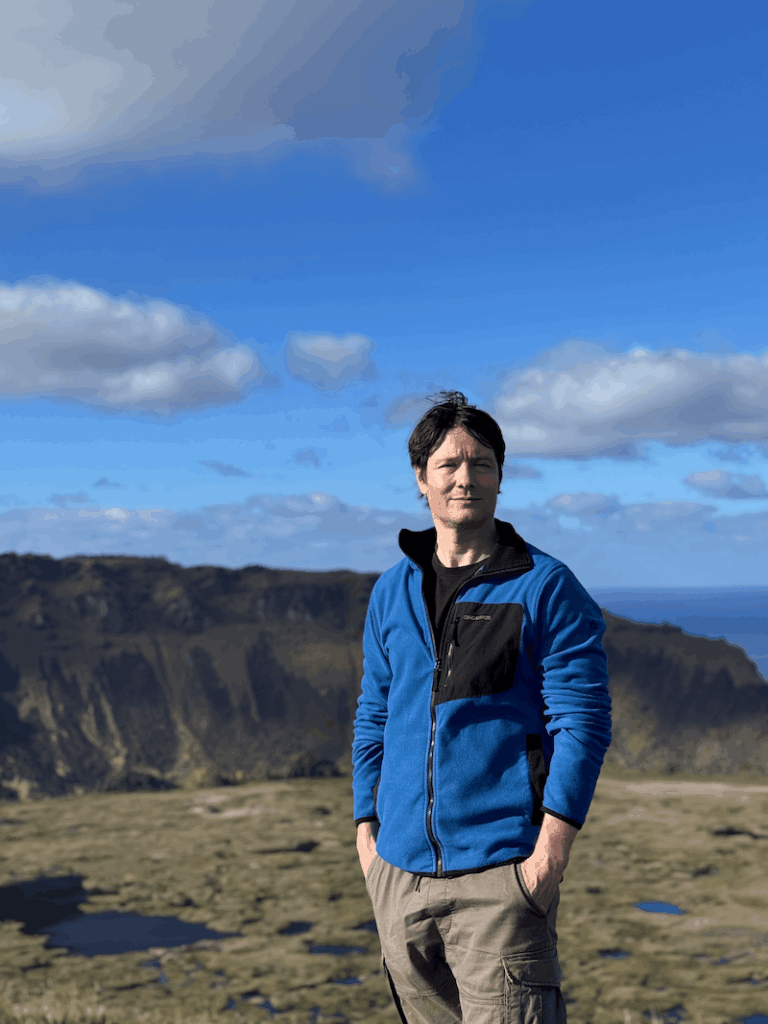
Rano Kau Crater Hike
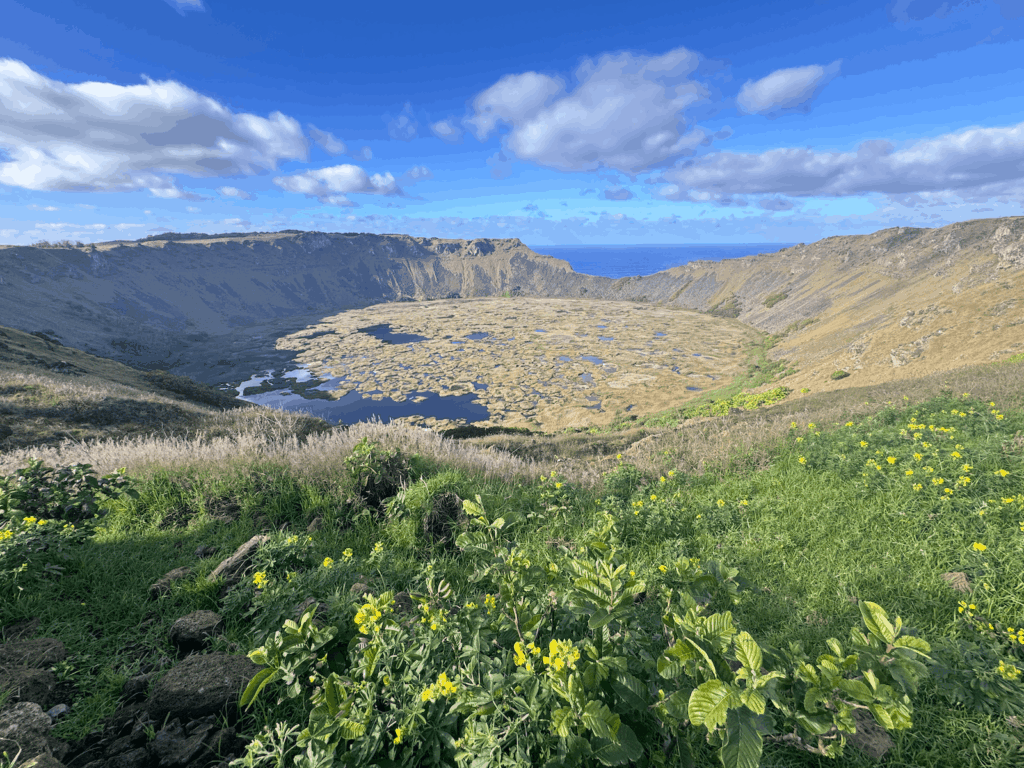
A short hike with sweeping views into the volcanic lake and out to the Pacific
Easter Island 2 Day Tour
See all the key sights of Rapa Nui without all the planning or driving
In the Heart of Hanga Roa
Perfect for first-timers who want to walk everywhere
Nearly everything you need from restaurants, the market, the harbour, and Pea Beach itself is walkable from central Hanga Roa. This is the easiest base if it’s your first time on the island and you don’t want to rely on tours or rental cars for day-to-day things.
What to see
Ahu Tahai
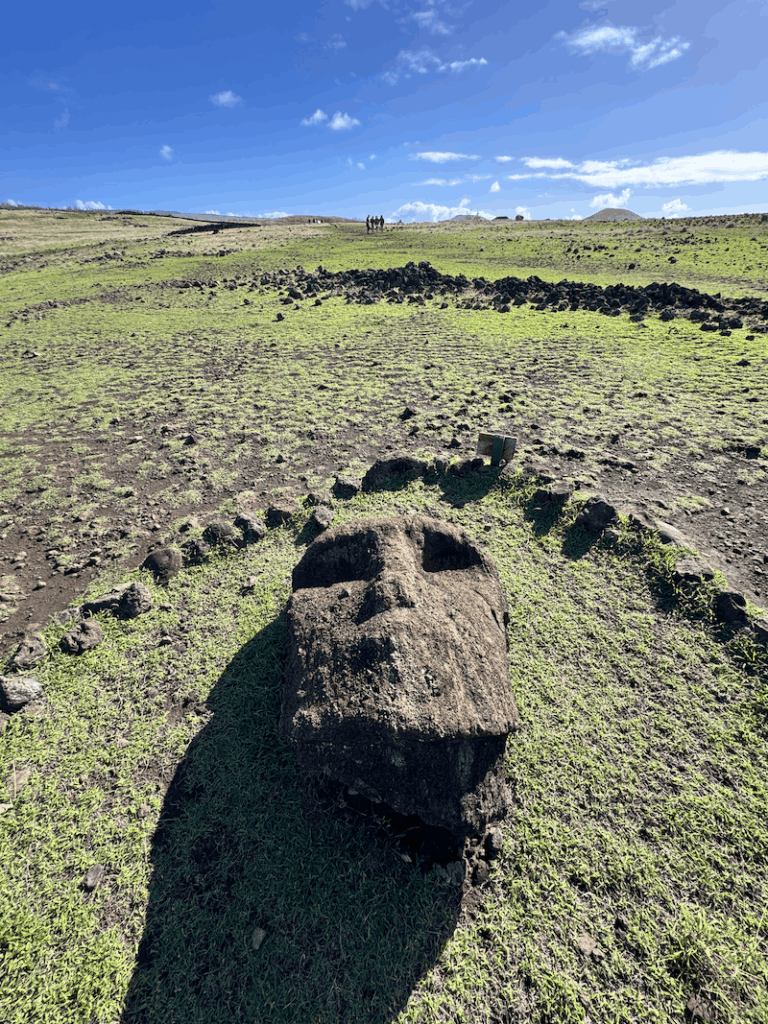
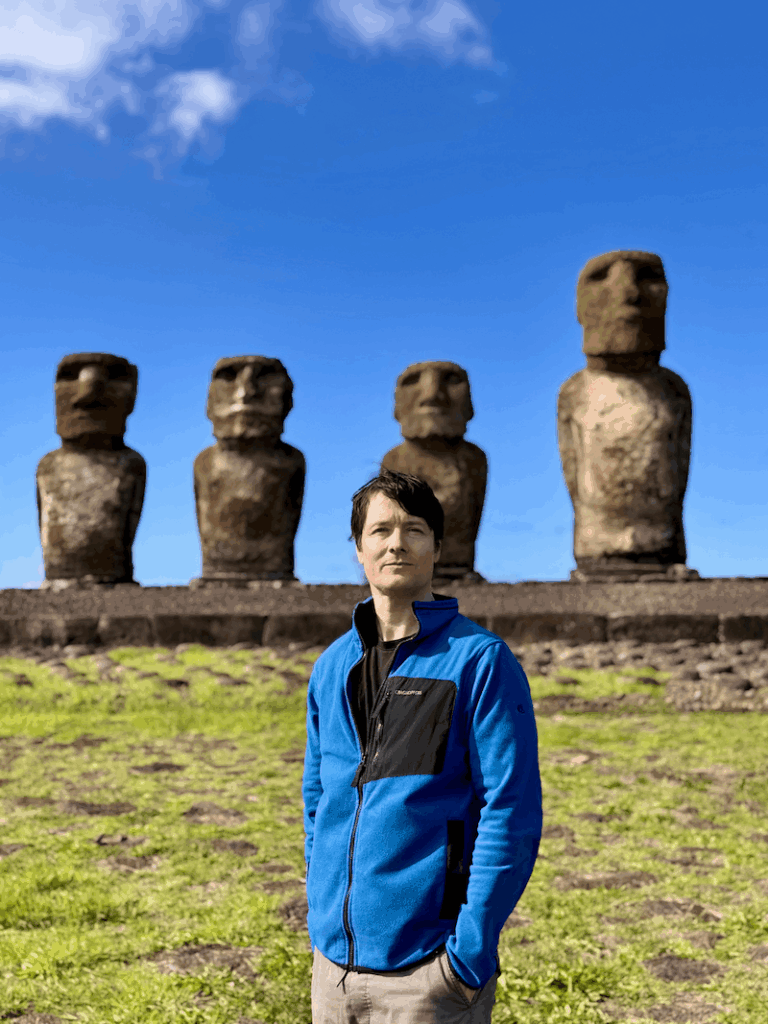
A cluster of restored moai right on the edge of town, and the classic spot to watch the sunset. It’s a five-minute walk from most Hanga Roa accommodation, which makes it an easy add-on to an evening stroll rather than something you need to plan a whole outing around.
Pea Beach
The only real beach in Hanga Roa itself, and handily for a surf blog it’s also the island’s main learner surf spot. More on that in the surf section below.
Mercado Municipal (the market)
A small but good spot for fresh produce, local crafts and a feel for daily life on the island away from the archaeological sites.
How to get there
Hanga Roa is a short taxi or walk from Mataveri International Airport and most central accommodation is within 10–15 minutes on foot from the airport, which is unusually convenient for such a remote destination.
Where to stay
HIGH-END
Nayara Hangaroa
Rapa Nui’s best-known luxury property, with thatched-roof-style architecture, an infinity pool, and ocean views from a cliff at the edge of town. This is the one genuine splurge most visitors budget for.
MID-RANGE
Hare Nua Hotel Boutique
A well-rated boutique hotel a short walk from Pea Beach, making it the pick if surfing or beach time is a priority. Comfortable without the luxury-resort price tag.
Taha Tai Hotel
A 3-star option in the heart of Hanga Roa with amenities aimed at both leisure and business travellers, and easy access to mountain biking, surfing and snorkelling.
BUDGET
Hostal Pukao
A well-reviewed budget guesthouse, the kind of simple, central base that’s common on Rapa Nui, where boutique guesthouses tend to replace hostels.
Near Anakena Beach
Perfect for travellers who want quiet, nature, and the island’s best beach
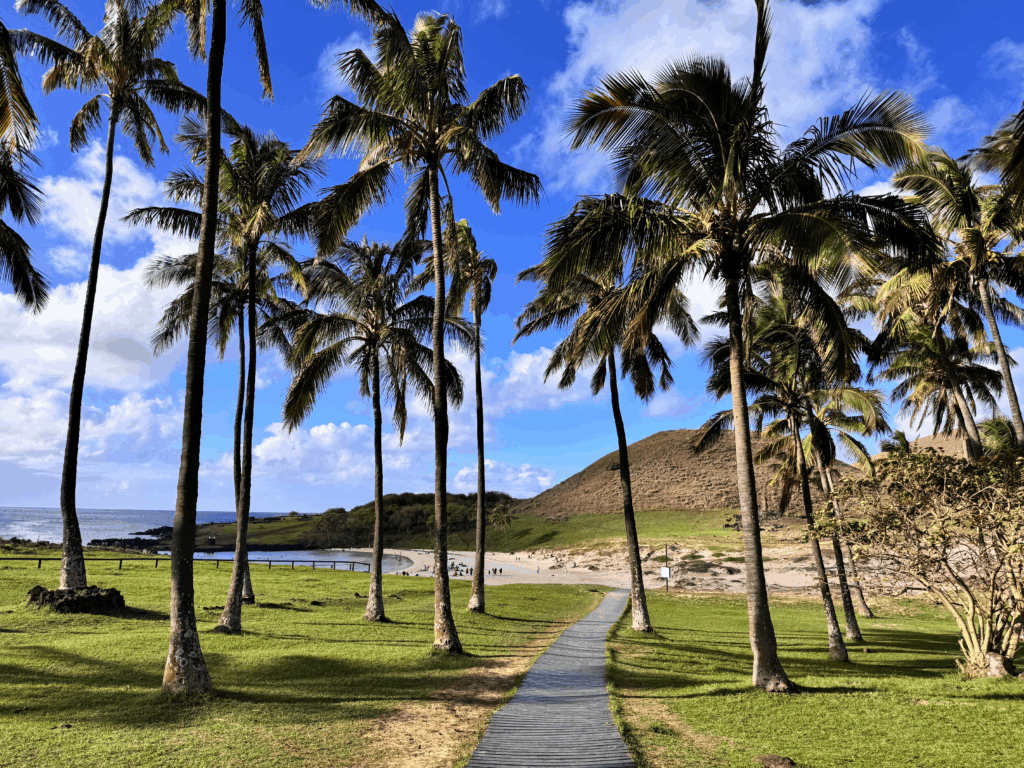
A short drive from Hanga Roa, this side of the island trades walkability for space, quiet, and proximity to Anakena, Rapa Nui’s white sand, palm-fringed beach, and one of the only spots on the island where turquoise water meets moai on the sand.
What to see
Anakena Beach
The postcard beach of Easter Island, white sand, calm turquoise water, and Ahu Nau Nau’s restored moai standing right at the treeline. It’s also a good, sheltered swimming spot if you want a break from archaeological sites.
Rano Kau crater rim
A short hike (not far from town, but easiest with a car) to the rim of a volcanic crater with a lake inside it and the ceremonial village of Orongo perched on the cliff edge nearby.
Where to stay
HIGH-END / MID-RANGE
Altiplanico Rapa Nui
Built in a traditional Rapa Nui style, this is the pick for travellers who want to feel closer to the island’s landscape without sacrificing comfort, just a short drive from both town and Anakena Beach.
Surf in Rapa Nui
Easter Island isn’t the first place most people think of for surfing, but it’s a legitimate, if under-the-radar, destination — and it’s the reason this guide exists on a surf blog rather than a generic travel site.
Pea Beach is the main spot, and it’s right in Hanga Roa: a reef break suitable for both complete beginners and more experienced surfers, though it’s worth knowing your tides since it breaks over reef. Lessons are widely available here, especially in the summer months.
Papa breaks off a rock about 250m from Pea Beach… a slow, forgiving wave that’s ideal for learners and one of the safer options on the island.
For more experienced surfers, Mataveri (southwest) and Tahai (northwest) offer bigger, more challenging waves.
Best season: the biggest swells roll in between September and March, though Pea Beach has beginner-friendly conditions for lessons through the summer.
New to surfing entirely? Start with our guide to learning how to surf before you go, or check our surf trip guides for more destinations like this one.
Wifi & Working Remotely
Easter Island isn’t the first place that comes to mind for remote work, but it’s more workable than you’d expect (often due to many places using Starlink). Hanga Roa has a handful of free public wifi zones dotted around town, most hotels offer wifi as standard, and you’ll find it in cafes and restaurants if you need a makeshift workspace for a few hours. Coverage is patchy as soon as you leave town, so this isn’t a “work from anywhere on the island” situation, but if you’re based in Hanga Roa it’s genuinely usable.
For mobile data, Entel is the main carrier and gives decent 4G in town (expect it to drop to 3G or nothing once you’re out at the archaeological sites). If your phone supports eSIM, that’s the easiest way to get set up without hunting down a physical SIM on arrival. In all honesty, it was quite nice to be totally offline whilst out of town and exploring.
Getting There & Getting Around
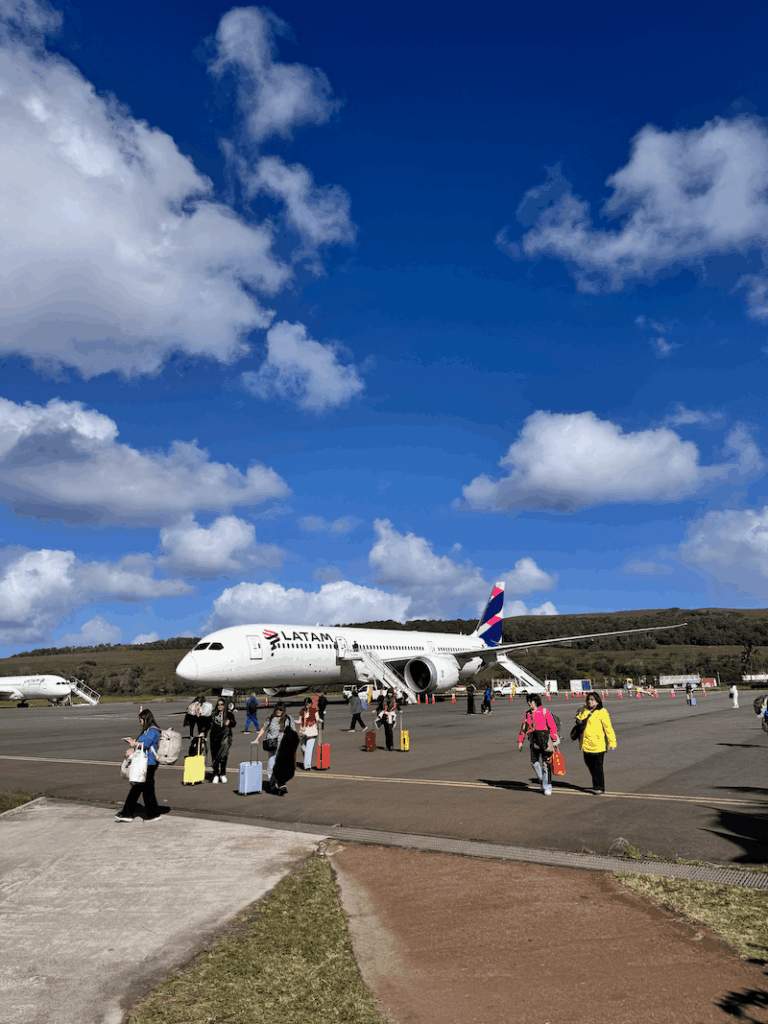
LATAM is the only airline that flies to Easter Island, usually via Santiago, and flights are limited – book well ahead, especially in peak season (Southern Hemisphere summer, roughly December–March).
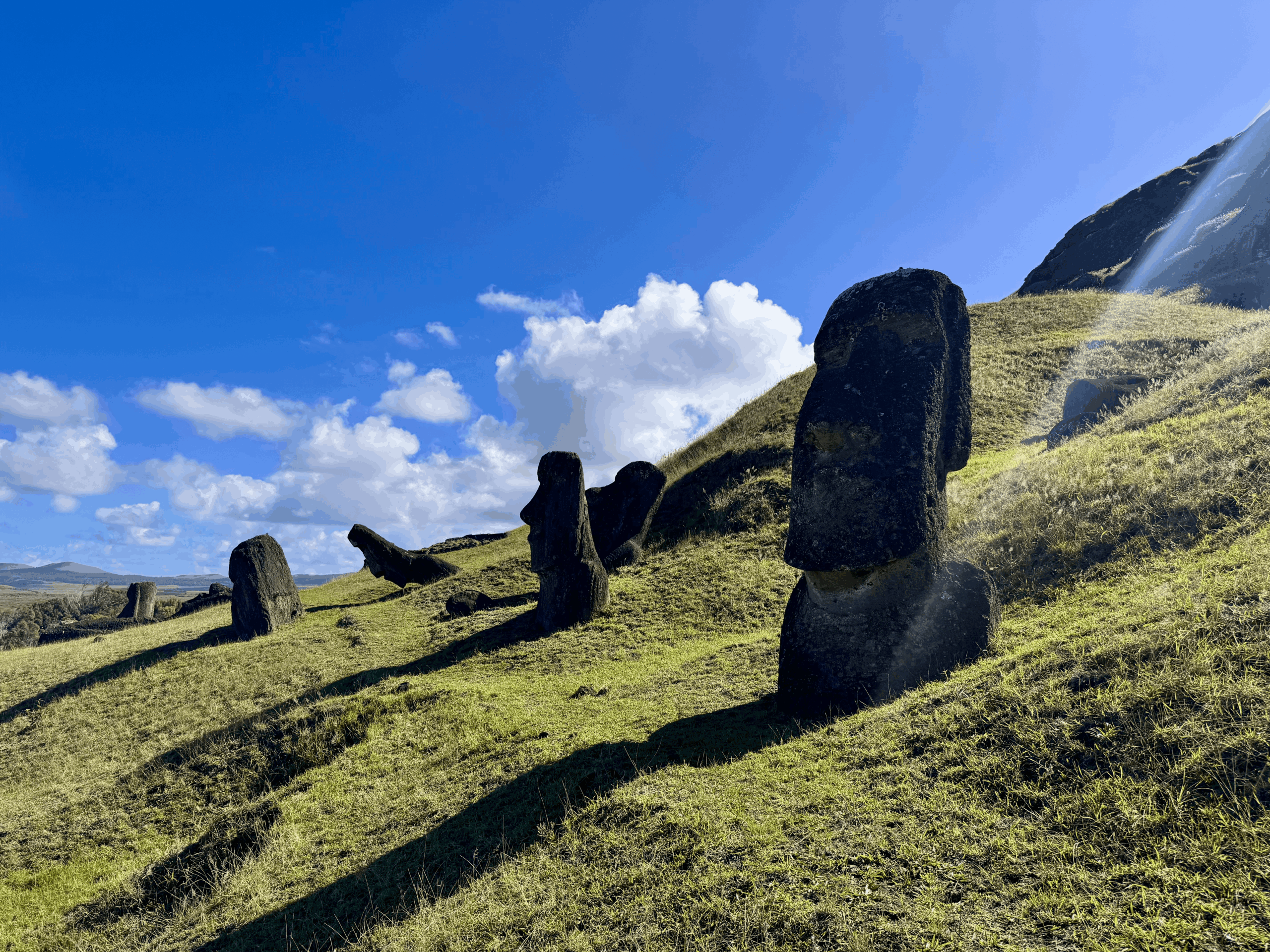
You’ll also need a National Park entry pass to visit most of the archaeological sites – Tongariki, Rano Raraku, Orongo and others. This isn’t optional if moai are the reason you’re visiting, so budget for it before you land.
Getting around day-to-day is easiest by rental car, scooter, or a mix of guided tours for the further-flung sites (like Rano Raraku and Tongariki together) and walking/cycling for anything near Hanga Roa itself.
Best Time to Visit
Statistically the “best” time to visit Easter Island is in the Southern Hemisphere summer, December to March when it’s the warmest, driest, sunniest stretch of the year. It’s also peak season, which means more tourists at the main sites and higher accommodation prices.
We went end of May into June and had genuinely great weather the whole trip, May is actually the wettest month of the year on the island, so I think we got a bit lucky. June, on the other hand, has a real reputation as one of the more pleasant months with mild days. Comfortable for exploring the sites and beaches, and noticeably quieter than peak summer without the risk that comes earlier in the shoulder season.
If you want the safest bet for sun, go December to March. If you’d rather have the island (and the moai) mostly to yourself and don’t mind slightly cooler days, June is a smart and underrated choice.
Easter Island FAQs
Is Easter Island expensive to visit?
Less than you think. Flights are the main cost since LATAM is the only airline serving the island, but a full trip, flight, accommodation, a guided tour and the park pass… can come in around £640 per person if you’re smart about it. We’ve broken down our exact numbers in our budget post.
How do you get to Easter Island?
LATAM is the only airline that flies to Easter Island, almost always via Santiago, Chile. Flights are limited, so it’s worth booking well ahead, especially if you’re travelling in peak season (December–March).
Is Easter Island good for surfing?
Yes, though it’s not the first place most people think of. Pea Beach, right in Hanga Roa, is a beginner-friendly reef break with lessons available, while Mataveri and Tahai offer bigger waves for more experienced surfers. The main swell season runs September to March.
Do you need a permit to visit Easter Island?
You need a National Park entry pass to visit the archaeological sites – Ahu Tongariki, Rano Raraku, Orongo and others. It’s not optional if seeing the moai is the point of your trip, so budget for it before you land.
How many days do you need on Easter Island?
Most visitors spend 3–4 days on the island, which is enough time to see the main sites at an unrushed pace, plus a day to relax at Anakena Beach or try surfing at Pea Beach.
What language do they speak on Easter Island?
Spanish is the official language, alongside the local Rapa Nui language. English is fairly widely spoken in hotels, tours and restaurants in Hanga Roa, but less so once you’re outside the tourism side of things.
Final Thoughts
Easter Island has a reputation for being an unreachable, expensive bucket-list trip and while the flight is a genuine splurge, everything else is far more flexible than people assume.
I wish we’d looked into it properly years ago instead of quietly filing it away as “too expensive” every time it came up. Base yourself in Hanga Roa if you want to walk everywhere, or head toward Anakena if you’d rather trade convenience for quiet and one of the best beaches in the Pacific. Either way, leave time for Pea Beach, moai and a surf session in the same afternoon isn’t something you can say about many places on Earth.
I hope this guide helps you plan where to stay on Rapa Nui, and finally tick it off the list the way I did. We’d love to hear how your trip went.
Disclaimer: Some of the links used on this website are affiliate links. This means that if you click on it to buy a product, we’ll receive a small commission which comes at no extra cost to you and we’ll be forever grateful!